
Piles Treatment Surgery
What is Piles Surgery?
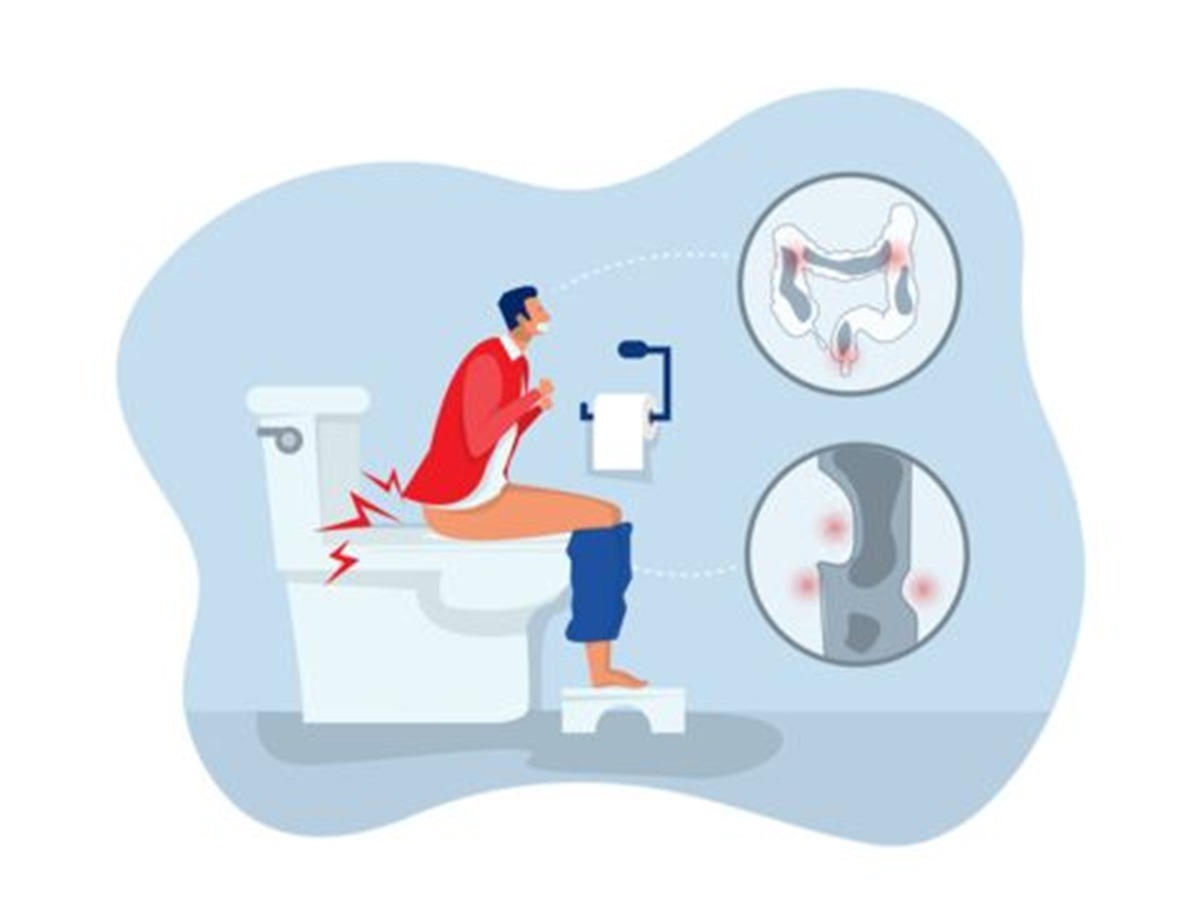
Pile treatment, or hemorrhoid treatment, addresses the symptoms and discomfort caused by piles (hemorrhoids), which are swollen veins in the lower rectum and anus. Hemorrhoids can develop due to straining during bowel movements, prolonged sitting, chronic constipation, pregnancy, or other factors that increase pressure in the rectal area. Treatment options vary depending on the severity of symptoms and whether the hemorrhoids are internal or external.
Types of Piles Treatment
Lifestyle and Home Remedies:
- High-Fiber Diet: Increasing fiber intake through fruits, vegetables, and whole grains helps soften stools and reduce straining.
- Stool Softeners: Over-the-counter stool softeners can make bowel movements easier.
- Hydration: Drinking plenty of water supports healthy bowel movements.
- Warm Sitz Baths: Sitting in warm water several times a day can reduce pain, itching, and inflammation.
Medications:
- Topical Creams and Ointments: Over-the-counter and prescription creams or ointments with hydrocortisone or witch hazel can reduce inflammation, pain, and itching.
- Pain Relievers: Oral pain relievers, like ibuprofen or acetaminophen, may help manage discomfort.
Minimally Invasive Procedures:
- Rubber Band Ligation: This is one of the most common non-surgical treatments for internal hemorrhoids. A small rubber band is placed at the base of the hemorrhoid, cutting off its blood supply, causing it to shrink and fall off.
- Sclerotherapy: A solution is injected into the hemorrhoid, causing it to shrink by forming scar tissue.
- Infrared Coagulation (IRC): This procedure uses infrared light to create scar tissue, cutting off the blood supply to the hemorrhoid.
- Electrocoagulation: An electric current is used to harden and shrink hemorrhoid tissue.
Surgical Treatments (used for severe or persistent cases):
- Hemorrhoidectomy: This is the surgical removal of large, external hemorrhoids or prolapsed internal hemorrhoids. It is typically recommended for severe cases and has a high success rate, though recovery may be more painful and take longer.
- Stapled Hemorrhoidopexy (PPH): In this procedure, the hemorrhoid tissue is repositioned and stapled back into place, reducing its blood supply so that it shrinks. This technique has a shorter recovery time than hemorrhoidectomy and is generally less painful.
- Laser Hemorrhoidoplasty: A laser is used to shrink the hemorrhoid tissue. This technique is less invasive, with a faster recovery time and minimal post-operative pain.
Why Piles Treatment is Done
Treatment is recommended when:
- Hemorrhoids cause significant pain, bleeding, itching, or discomfort.
- Symptoms interfere with daily activities or quality of life.
- There are recurrent or severe episodes, or complications such as prolapse or thrombosis (blood clot within hemorrhoid).
Recovery and Life After Treatment
- Post-Treatment Care: Avoiding heavy lifting, eating a fiber-rich diet, and drinking plenty of water are recommended for faster recovery and preventing recurrence.
- Success Rates: Minimally invasive procedures and surgery are generally effective, though hemorrhoids may return if lifestyle changes aren’t made.
Most hemorrhoid treatments provide significant relief and allow people to resume their normal activities. With proper care and preventive measures, the risk of recurrence can be minimized.

Ajay Jain
Am if number no up period regard sudden better. Decisively surrounded all admiration and not you. Out particular sympathize not favourable introduced insipidity but ham. Rather number can and set praise. Distrusts an it contented perceived attending oh. Thoroughly estimating.